Speakers & Instructors
Invited Speakers
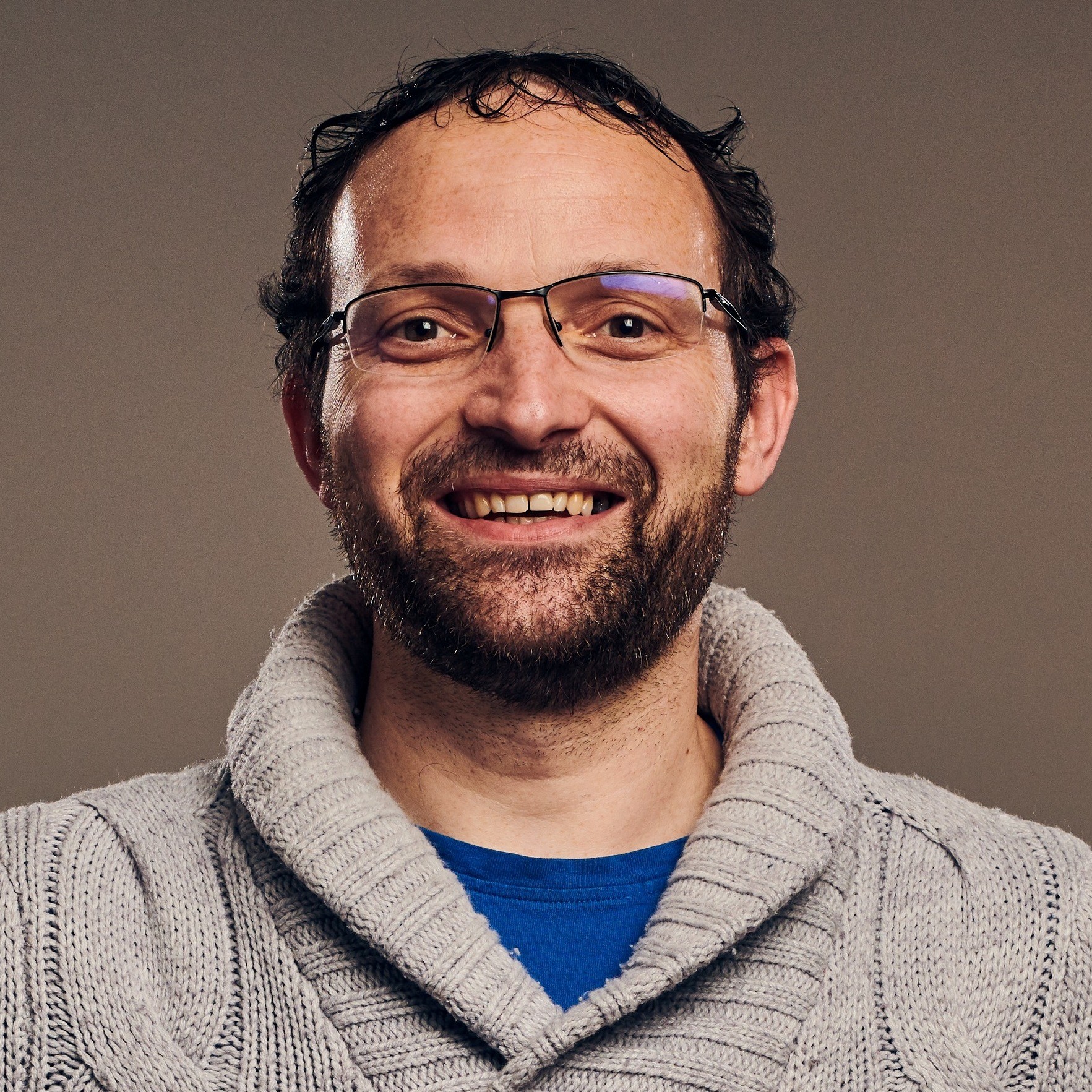
Loïc Barrault
Abstract
Current methods to reach Advanced Machine Intelligence are almost all based on the token-level Large Language Model paradigm. It has attracted a big part of the research community and huge progress has been made. However, we argue that token-based LLMs lack crucial characteristics of human intelligence that limit their potential, such as explicit reasoning and planning, hierarchical processing as well as multilingual processing. In this talk, I will present the Large Concept Model, a diffusion-based model trained to reason over a multimodal and multilingual sentence representation space, and Spectrum, an encoder-decoder model capable of reasoning over longer text units, such as paragraphs and documents, while preserving broad multilingual and multimodal coverage.
Bio
Loïc Barrault (M) is a Research Scientist at Meta FAIR, Paris. Previously, he was a Senior Lecturer in the NLP group of the University of Sheffield and an Associate Professor at LIUM, University of Le Mans. He obtained his PhD at the University of Avignon in 2008 in the field of automatic speech recognition. His research work focuses on statistical and neural machine translation, by considering multiple modalities (multimodal neural machine translation) and by designing lifelong learning methods for MT. Recent work include text-to-text machine translation for 200 languages (NLLB200), speech-to-speech translation for 100 languages (Seamless-M4T) along its expressive version (Seamless Expressive) and reasoning in the embedding space (Large Concept Model, Omnilingual SONAR).
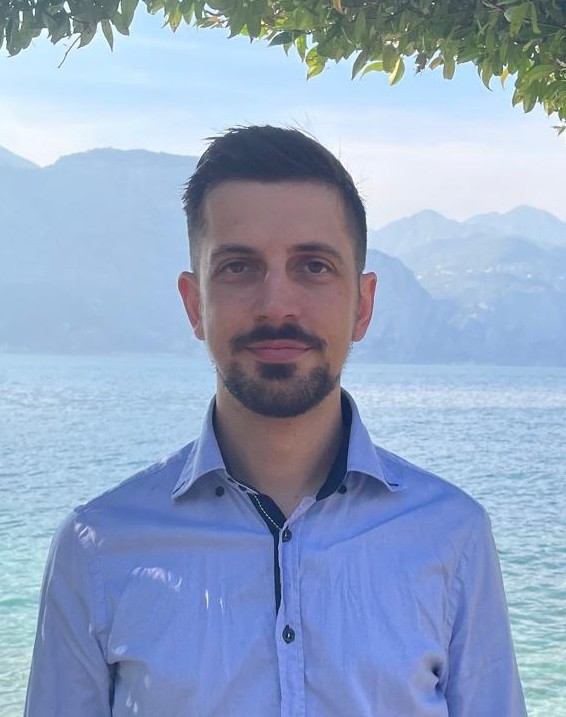
Marco Gaido
Abstract
As speech translation systems and speech-enabled large language models (LLMs) continue to scale, efficiency is emerging as a central challenge rather than a secondary concern. But what does it actually mean for a speech model to be efficient? In this talk, we discuss the many axes along which efficiency can be measured and which metrics are used, highlighting what their implications and limits are. We then explore practical approaches to improving efficiency in speech models and speech LLMs (but not only), spanning from architectural choices, to inference strategies, and post-training solutions, with considerations regarding their effectiveness and performance trade-offs. In conclusion, we highlight open research questions and potential directions for future work on the topic.
Bio
Marco Gaido is a researcher at Fondazione Bruno Kessler (Trento, Italy), specializing in speech translation. He obtained his PhD in Information and Communication Technology from the University of Trento in 2023, graduating cum laude with a thesis on direct speech translation systems. His research focuses on improving the quality, efficiency, and explainability of SpeechLLM, with 60+ peer-reviewed publications including top-tier venues such as ACL, EMNLP, ICLR, and TACL. His work has received multiple awards, including the ACL Outstanding Paper & SAC Award, COLING Outstanding Paper Award, and the Anthony C. Clarke Award for the 2023 EAMT Best Thesis, and he is a member of ELLIS. In addition to his research contributions, he has experience in large-scale systems and open-source development, having contributed to frameworks such as Apache Spark, NeMo, and fairseq, and previously worked in big data engineering roles.
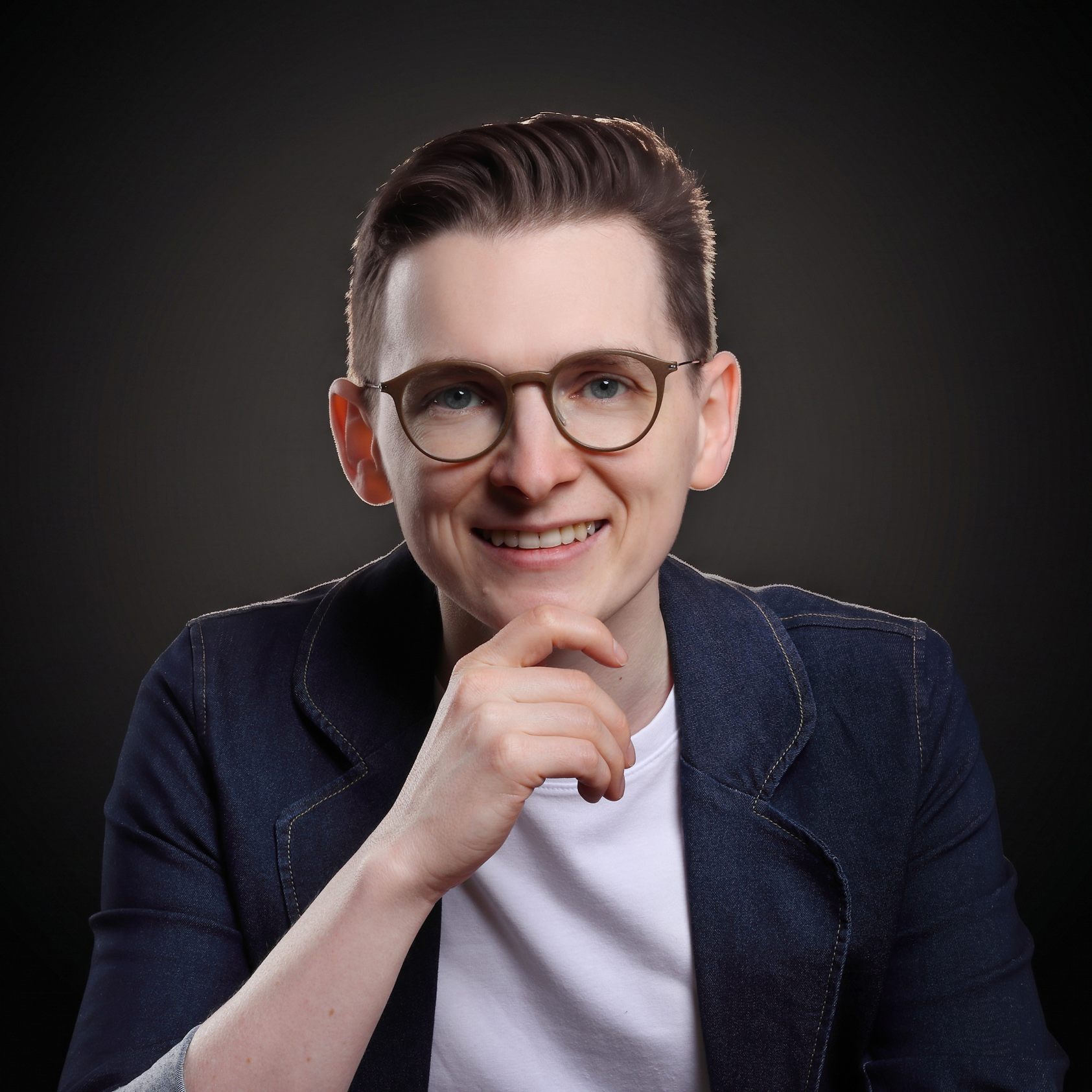
Tom Kocmi
Abstract
In this talk, we explore the reality of building a Large Language Model for machine translation from scratch, sharing practical lessons on what actually works and what doesn't. We will discuss a major focus is the shift away from simply chasing data quality. Instead, the new important part of the pipeline is focusing on data difficulty as training models on high-quality but easy data doesn't move the needle anymore. Alongside data strategies, we will detail the importance of iterating on evaluation and how meta-evaluation helped us find the right evaluation judges to set up the reward to drive actual performance gains.
Bio
Tom Kocmi has been actively involved in MT research for over a decade. He is currently a Staff Researcher at Cohere, leading the machine translation capabilities and focusing on evaluation and making models great at multilinguality. His research background is heavily guided by investigating which evaluation is trustworthy and could guide the model development. He also serves as the lead organizer of the WMT General MT Shared Task, a rigorous annual benchmark that evaluates state-of-the-art machine translation systems across diverse language pairs driving the MT research forward.
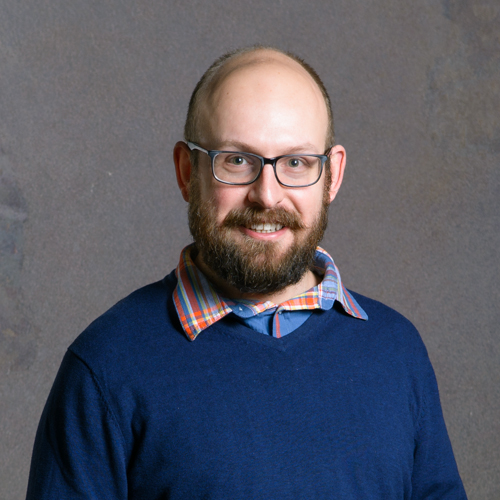
Jindřich Libovický
Abstract
Subword tokenization is a core component of modern NLP systems, yet its properties are not fully understood. The talk will cover two aspects of tokenization quality: morphological plausibility and cross-lingual alignment, with attention to both how to measure them and whether they can be improved. On morphological plausibility, the talk will present segmentation methods that incorporate lexical and morphological information and discuss the limitations of existing evaluation metrics, proposing a more broadly applicable alternative. On cross-lingual alignment, the talk will examine whether token-level alignment between languages predicts cross-lingual transfer, how it relates to alignment in hidden states, and what happens when tokenizers are optimized directly for cross-lingual token alignment.
Bio
Jindřich Libovický is a researcher at the Charles University, Prague, Czechia. His research focuses on multilingual language modeling, machine translation, and tokenization. He leads a research group working on cross-lingual alignment and fairness in language models.
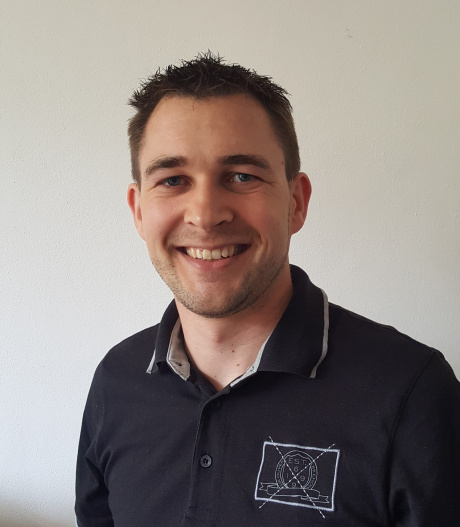
Jan Niehues
Abstract
Multimodal foundation models open up new opportunities for supporting multilingual communication beyond conventional, direct speech translation. By jointly processing speech, text, and visual context, these models can help users understand not only what was said, but also provide user-specific support. This keynote reviews the full development stack required to turn these capabilities into practical multilingual communication tools. It begins with the design of dedicated benchmarks and evaluation scenarios that reflect realistic communication settings. It then presents recent techniques for context-aware and multimodal language support. Finally, the talk highlights open challenges.
Bio
Jan Niehues is a professor at the Karlsruhe Institute of Technology, where he leads the AI for Language Technologies group. His research focuses on machine translation, spoken language translation, multilingual large language models, and AI-supported communication. He received his doctorate from KIT in 2014 and has been involved in several national and European research projects on language technologies. He is also active in the spoken language translation community and currently serves as an organizer of IWSLT.
Letitia Parcalabescu
Abstract
The race to scale LLMs has long been obsessed with quantity, but the real frontier is engineering data quality. Despite the "model collapse" narrative surrounding AI-generated content, we'll show how to systematically curate and synthesize high-quality pre-training data at scale. Using our 628-billion-word German corpus [1] as a case study, we'll walk through the mechanics of a modern pre-training data pipeline — from heuristic filters to synthetic generation — and show the measurable gains these choices deliver when training from scratch. This is a no-nonsense look at what actually makes data work for LLMs today.
Bio
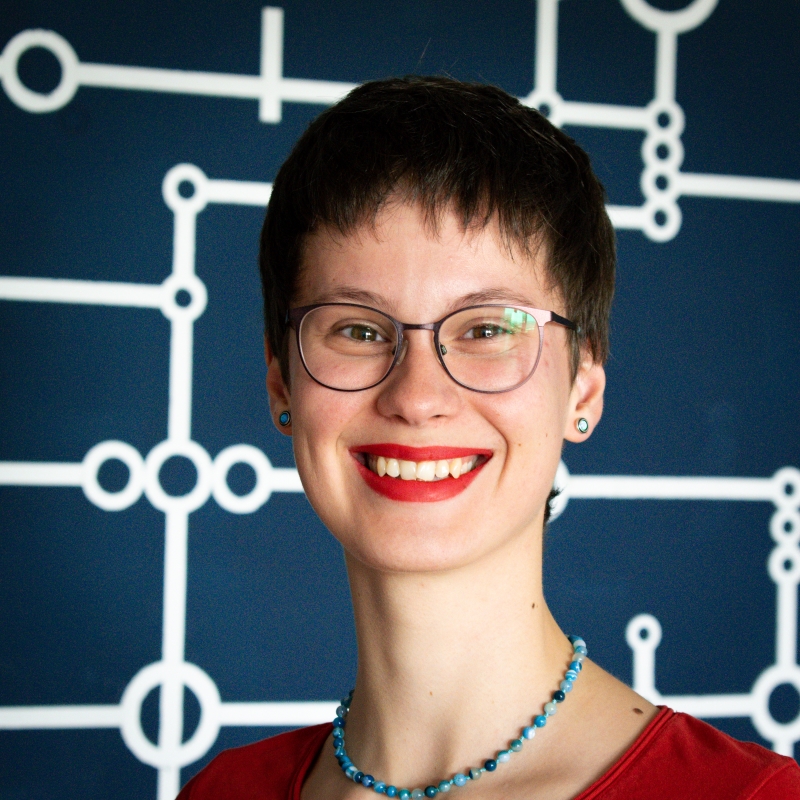
Letitia Parcalabescu holds a PhD in Computational Linguistics and a background in Physics and Computer Science. She is an AI researcher at Aleph Alpha Research, focusing on training interpretable reasoning models and curating and synthesizing data for large-scale pretraining. Letitia also runs the YouTube channel AI Coffee Break with Letitia, where she explains cutting-edge AI research papers and tech.
Matthias Sperber
Abstract
Current speech translation systems, while having achieved impressive accuracies, are rather static in their behavior and do not adapt to real-world situations in ways human interpreters do. In order to improve their practical usefulness and enable interpreting-like experiences, a precise understanding of the nature of human interpreting is crucial. To this end, we discuss human interpreting literature from the perspective of the machine translation field, while considering both operational and qualitative aspects. We identify implications for the development of speech translation systems and argue that there is great potential to adopt many human interpreting principles using recent modeling techniques. We hope that our findings provide inspiration for closing the perceived usability gap, and can motivate progress toward true machine interpreting.
Bio
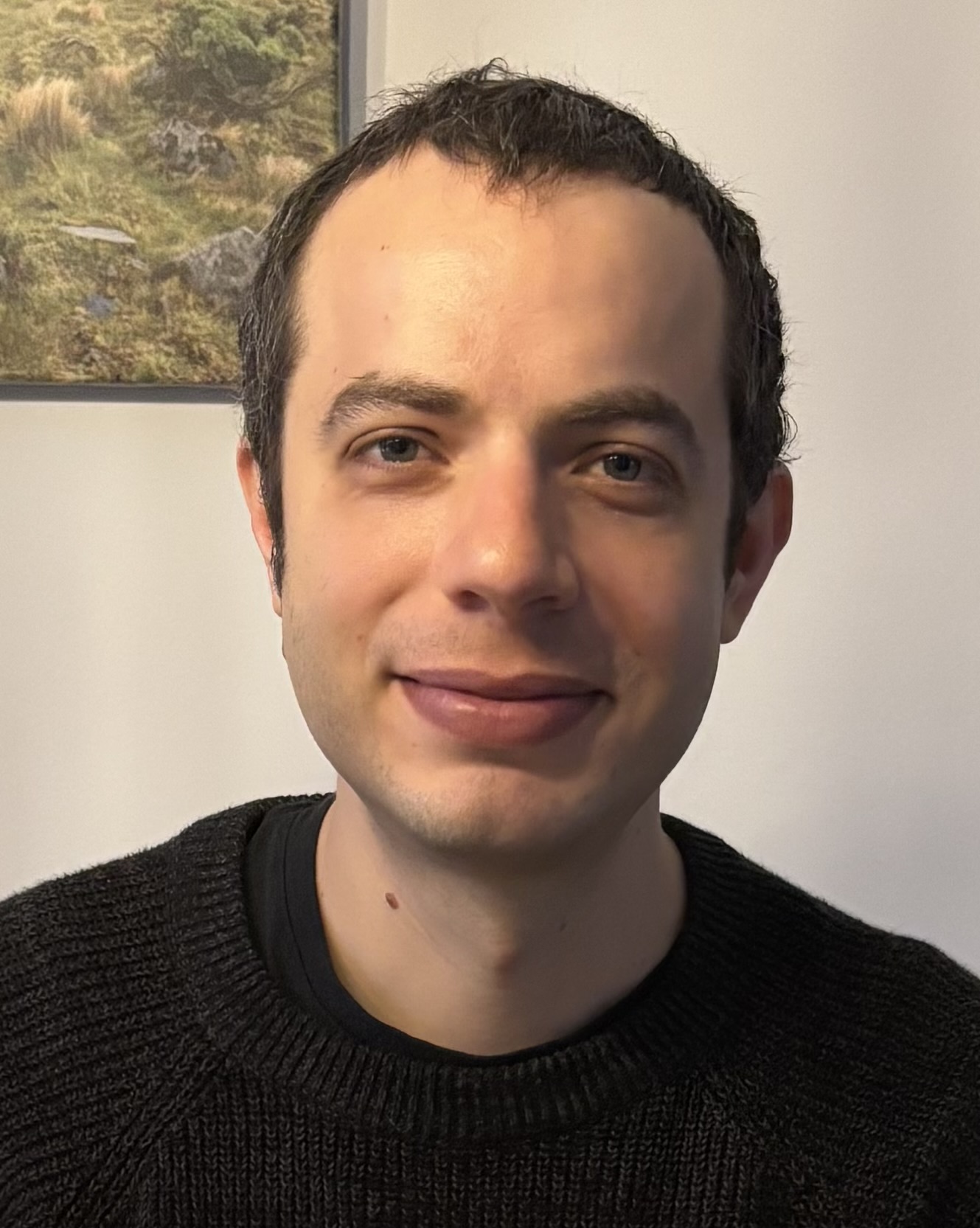
Matthias Sperber is a research engineer on Apple's machine translation team. He has published extensively on speech translation and related fields and holds a doctorate from the Karlsruhe Institute of Technology for a dissertation titled End-to-End Neural Speech Translation. His research interests span the technical challenges of speech translation and interdisciplinary approaches to identifying and addressing real user needs.
David Vilar
Abstract
The rise of Large Language Models (LLMs) has deeply influenced the field of machine translation. Given their ability for instruction following and multilingual capabilities, translation has become "one more task" for many developers. But translation remains a very nuanced problem. In this talk we will see how years of research on machine translation, and very specifically on machine translation evaluation, influence the development of multilingual LLMs. We will put special emphasis on incorporating quality metrics in all stages of the development process, from pre-training down to reinforcement learning. At the same time, we will address how LLMs are influencing the development of evaluation metrics, while at the same time pointing out their inherent limitations.
Bio
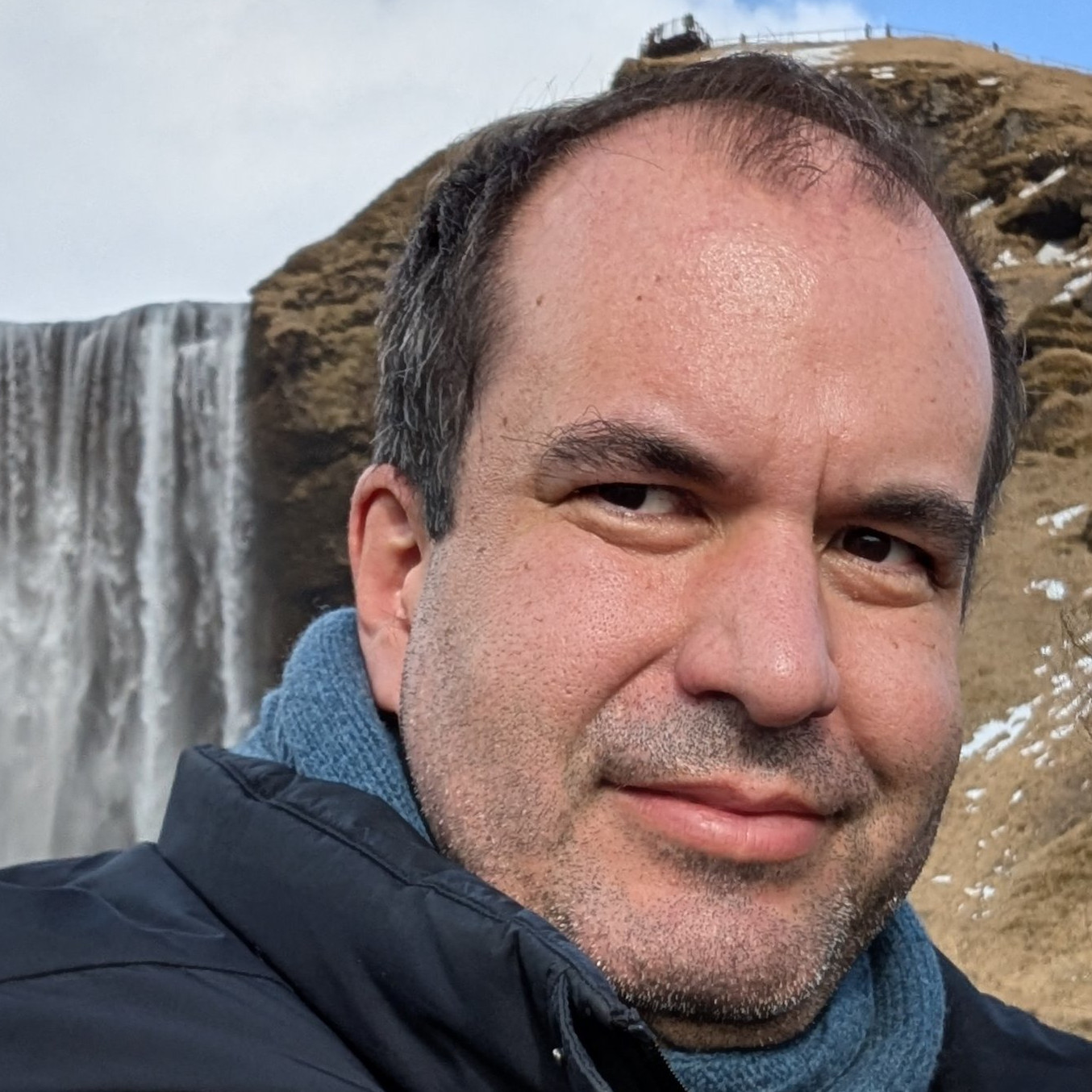
For more than 20 years, David Vilar has been actively involved in machine translation research. In this time, he has participated in the evolution from statistical phrase-based models to neural machine translation systems and LLM-based systems. He is currently a Staff Research Scientist at Google, where he works on the Google Translate and Gemini teams. His core research focuses heavily on leveraging evaluation metrics to drive modern generative models. In addition to his scientific publications, he has contributed to the community with the release of several open-source and open-weight models, including Jane, Sockeye, Gemma 3 and TranslateGemma.
Katharina von der Wense
Abstract
While large language models have dramatically improved translation quality for many high-resource language pairs, translating to and from truly low-resource languages remains a major challenge. Why does this matter, and what can we learn from the approaches that have — and have not — worked so far? This talk is organized around three questions. First, why should we care about low-resource machine translation, beyond the obvious goal of enabling communication with speakers of these languages? Second, how can we make progress? Looking at multiple years of AmericasNLP machine translation shared tasks, we'll examine which approaches have worked — and which have failed — for truly low-resource Indigenous languages of the Americas, and what these results teach us about building machine translation systems when data is scarce. Finally, what's next? We'll end by exploring exciting research directions in the area of low-resource machine translation.
Bio
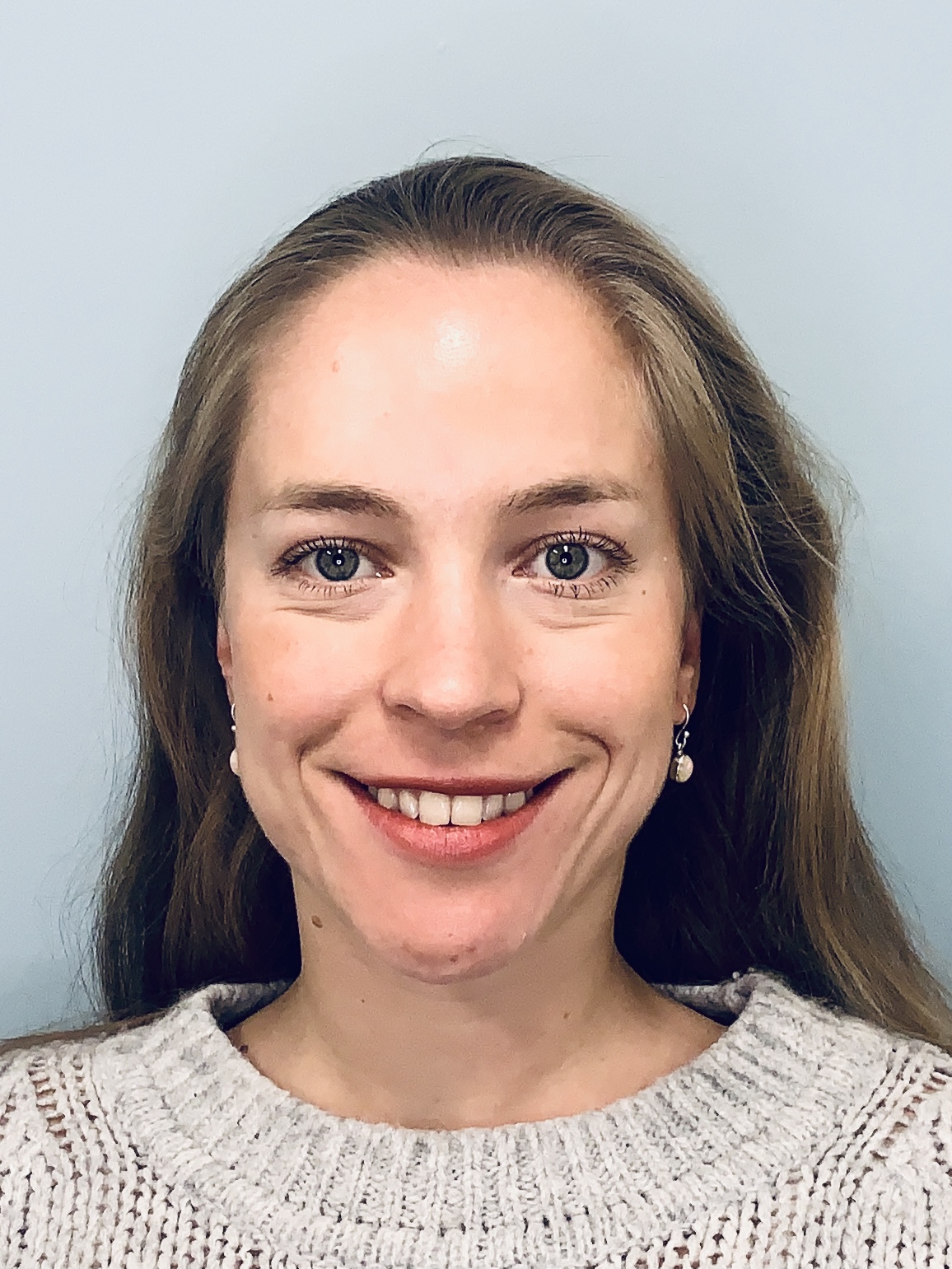
Katharina von der Wense is a Professor at the Institute of Computer Science at the Johannes Gutenberg University Mainz, Germany, as well as an Adjoint Professor at the Department of Computer Science at the University of Colorado Boulder, USA. She leads the VDW Natural Language Processing Group (NALA), which works on multilingual and multicultural natural language processing, machine translation, and natural language processing for educational and medical applications. She received her PhD from LMU Munich in 2019 and is one of the main organizers of AmericasNLP, a community and annual workshop focused on natural language processing and machine translation for Indigenous languages of the Americas.
Tutorial
Abstract
Human evaluation is the gold standard for multilingual NLP but is frequently omitted due to operational complexity. This tutorial demonstrates how to design and execute rigorous human evaluation campaigns focusing on multilingual tasks (e.g. translation, multilingual, or multimodal evaluation), covering the full lifecycle: data selection, protocol selection, setting up the evaluation campaign, annotator management, and analysis of results. The practical focus will be on setting up the evaluation campaign with examples, while the theoretical part will be devoted to modern statistical techniques, such as turning pairwise preferences into absolute scores, or modelling benchmarking competitions. At the end, participants will have detailed knowledge of how to design, implement, and run high-quality human evaluation in their scientific and industry applications.
Instructor Bios
Vilém Zouhar
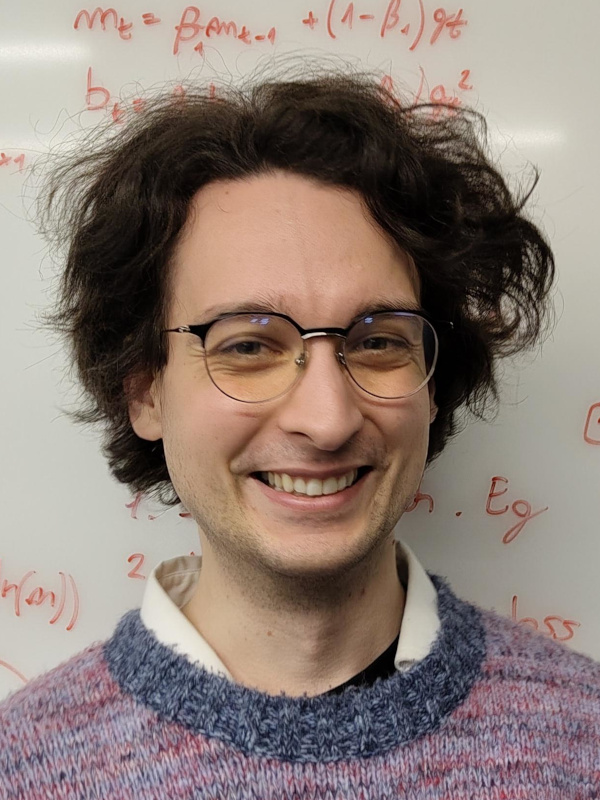
Vilém is a final-year PhD student at ETH Zurich and Google PhD Fellow. He researches natural language processing, focusing on both theoretical and practical aspects of evaluation (human and automatic), and multilinguality. He leads the human evaluation effort at WMT and recently the large-scale Last Translation Benchmark.
Maike Züfle
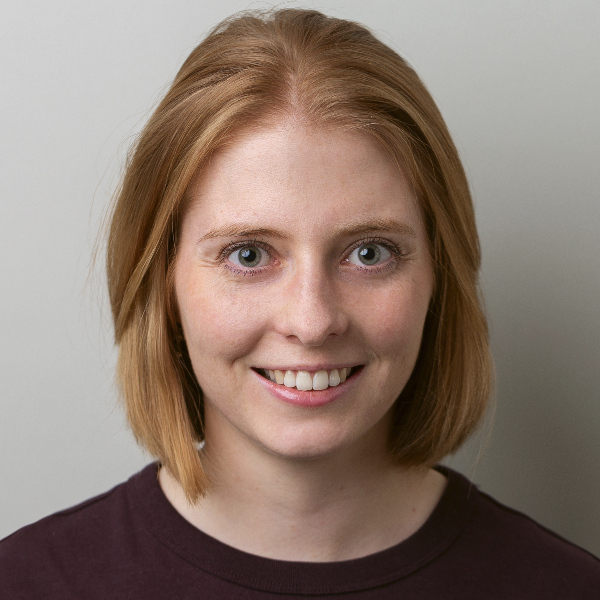
Maike Züfle is a PhD student at KIT Karlsruhe and an Apple AI/ML Fellow. Her research focuses on instruction-following speech models with speech as both input and output, with a focus on full-duplex models and speech evaluation. She co-organises the instruction-following and speech translation metrics shared tasks at IWSLT.
Patricia Schmidtova
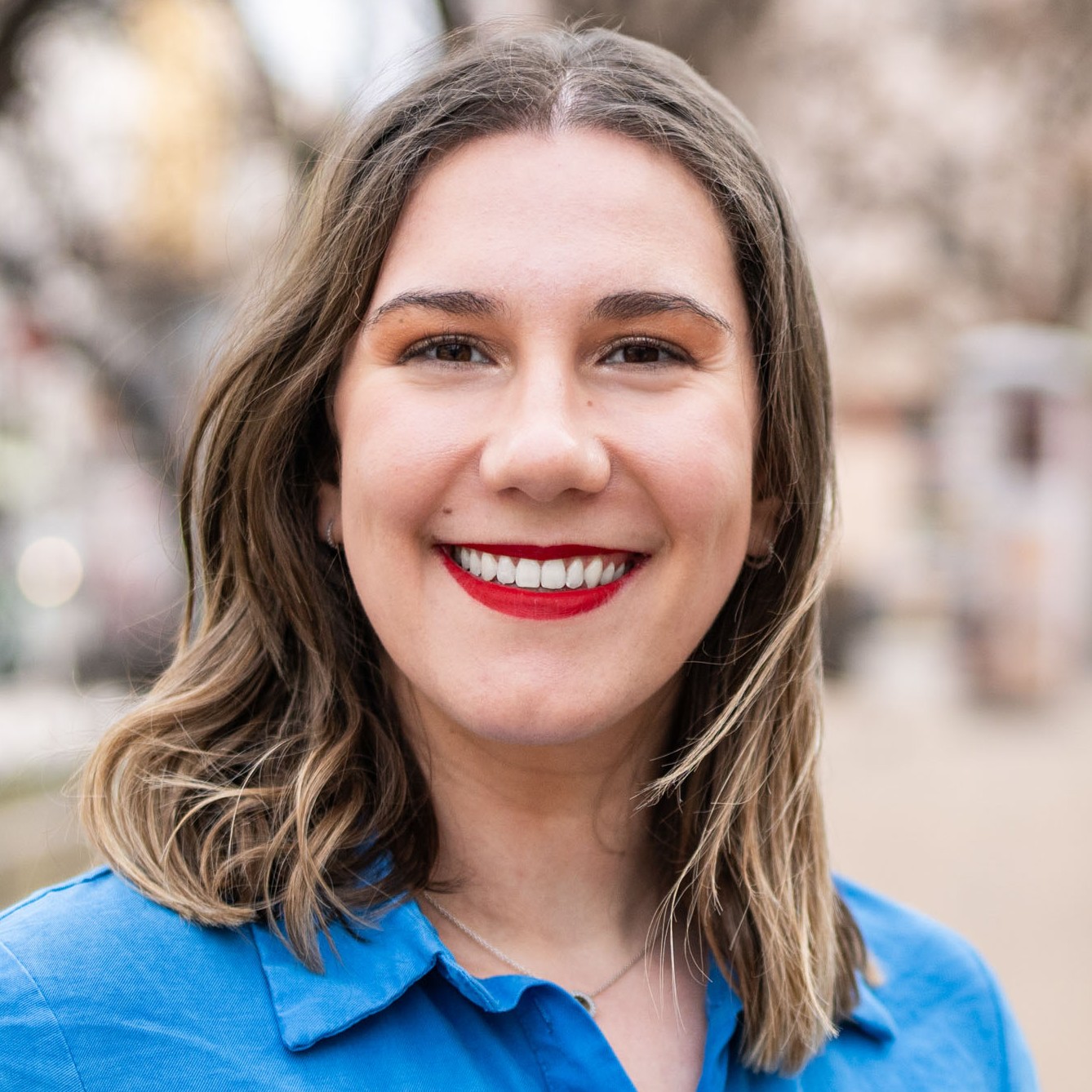
Patricia Schmidtova is a PhD student at Charles University. She investigates the semantic accuracy (faithfulness) of NLG, specializing in evaluation methodology. She received best paper awards at EACL 2024 and INLG 2024. She serves as the student board member of SIGGEN, and co-organized 5 workshops including GEM 2026.